 Urban OasisMar 27, 20205 min read
We just need the nuts and bolts of our immune machinery to work normally. And thankfully, there are some solid, science-backed ways to do that.(Photo: VeaVea/Stocksy)
As the novel coronavirus spreads around the world, so is a lot of misinformation about how people can protect themselves. Predictably, the pandemic hasenergizedbrands and influencershawkingnutritional supplements and other products that they claim can give immune systems a quick and easy “boost” to ward off thiscoronavirusand the resulting disease, COVID-19.
Such marketing often exasperates immunologists, who stress that it’s not really possible to boost otherwise healthy immune systems, explainsSheena Cruickshank, an immunologist at the UK’s University of Manchester. Nor is that something you’d want, even if it were a possibility: when people develop severe forms of COVID-19, many expertsbelieveit’s because their immune systems are spiraling into overdrive and overwhelming their bodies.
We just need the nuts and bolts of our immune machinery to work normally. People should strive to have a healthy baseline, saysLisa Gralinksi, a virologist who studies coronaviruses at the University of North Carolina at Chapel Hill. “If they do unfortunately get infected, they’ll be in the best possible situation to fight off this infection and stay healthy,” she says. Thankfully, there are some solid, science-backed ways to do that.
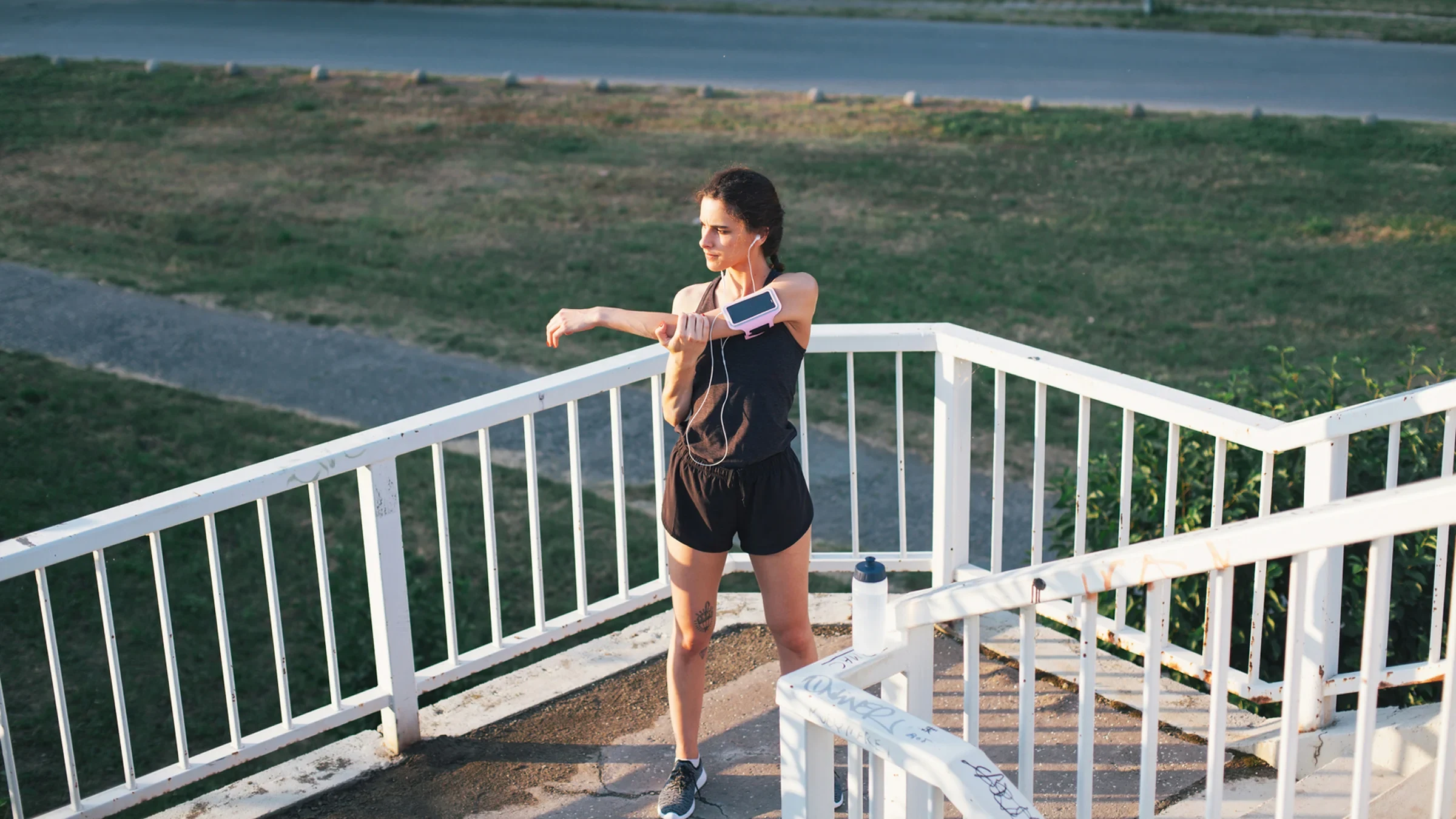
The first item on the list won’t surprise you:exercise.Studiesoverwhelmingly agree that people who exercise regularly are less likely to develop seasonal colds and flus, explainsDavid Nieman, an exercise physiologist at the Human Performance Laboratory at Appalachian State University. For instance, in a 2011study, Nieman and his colleagues tracked over 1,000 adults through the fall and winter and monitored whether they caught a cold and how many days they were sick. They found that those who were most physically active—doing at least 20 minutes of walking, cycling, or other exercise five or more times a week—reported 43 percent fewer sick days than those with largely sedentary lifestyles.
Muscle contractions increase blood flow and raise body temperature, which are both thought to mobilize immune cells that are usually tucked away in our spleens or lymph tissues. The group of immune cells that surge during and after short bouts of exercise, which includeneutrophilsandnatural-killercells, serve as our frontline defense against invading viruses.
It’s a transient effect, though, so regular exercise is important. (For people in locked-down parts of the world, there are a lot of options forat-home workouts.)
However, it’s possible to have too much of a good thing. After an hour or so of high-intensity exercise, the body starts to suffer from stress, which can impair immune function. Elite athletesacross many disciplinescan be particularly susceptible to falling ill, so don’t push yourself too hard. And obviously, for those who are already sick, that’s the time to rest, not exercise, Nieman adds.
The second step toward a happy immune system is eating a healthy, balanced diet with plenty of fresh vegetables and fruit. Since yourgrocery tripsmay be few and far between, it’s advisable to buy frozen fruits and veggies and more shelf-stable items, like apples, oranges, and sturdy greens, to hold you over until your next outing.
The emphasis here is on balanced, Cruickshank explains. Immunologists don’t know of any one food that does the trick. Not only does a diverse diet provide the vitamins and minerals that immune cells need to function normally, but it’s also good for the bacteria that live in the gut, which play animportantrole in keeping your immune system working properly, she adds. Do your best not to drink too much, either—alcohol islinkedto poor immune function.
There’s little conclusive evidence thatnutritional supplementslike vitamins, iron, or zinc substantially improve immune function. A recentanalysisof 25 clinical studies onvitamin D, which included over 10,000 patients, did show that the vitamin has a modest effect in protecting against colds. But there was a lot of variation across studies: some showed no effect whatsoever, explainsAdrian Martineau, an immunologist at Queen Mary University of London. It may only be useful to supplement if you aredeficient in the vitamin.
Generally speaking, if you’re getting enough vitamins from your diet, supplements are unlikely to help much, Nieman says. In previous research, he and his colleagues tried giving large doses ofvitamin CandEsupplements to elite athletes. Neither produced much of an improvement in immune function. “The body doesn’t work that way,” he explains. “I’d tell people to be very wary of any pill or capsule that contains something that supposedly will magically boost the immune system to do its job better.”
Gettingenough sleepcould help, too. Inresearchby Carnegie Mellon University professorSheldon Cohenand others, people who got less than seven hours of sleep a night were more likely to develop a cold when the researchers exposed them to a cold-causing virus—a findingechoedbysomeother studies.
Managingstressmay also be important. Anotherstudyof Cohen’s showed that those who reported more stress in their lives were more likely to develop cold symptoms. One reason for this effect is that the stress hormone cortisol cansuppresscertain parts of the immune system, Cruickshank says. She recommends simple practices likespending time in nature(if possible) and appreciating small things.
A lot of these habits are understandably difficult to maintain in the midst of a pandemic. And scientists aren’t entirely sure whether this advice will necessarily help against this particular coronavirus, since studies have largely focused on less harmful pathogens. However, many health professionals agree that following sane advice to keep our immune systems healthy—engaging in moderate exercise, eating a balanced diet, and avoiding stressing out—is probably our best bet. And that’s not a replacement for the stuff that can help stop COVID-19 from spreading: washing your hands, staying at home, and keeping up with the latestofficial advice.
We gather outdoor wellness stories from across the trail.